Animal Farm is the Orwellian title of a research program that investigates the landscapes of intensive farming, livestock production, and their disruptive impacts on the planet. A special in-depth feature developed in partnership with the Politecnico di Torino
This article launches a special project by giornaledellarchitettura.com, developed in collaboration with the research team led by Sofia Nannini at the Politecnico di Torino. The focus of this initiative is the in-depth exploration and dissemination of the results of an innovative and highly topical program, with an international perspective and approach. “Animal Farm: An Architectural History of Intensive Animal Farming (1570–1992)” examines the (hidden and often overlooked) spaces of the livestock industry, along with its paradoxes and impacts. It offers a cross-cutting interpretative framework that sheds light on key and decisive aspects of contemporary societies, economies, and landscapes.

The zootechnical industry is everywhere and, paradoxically, it seems to be nowhere. Meat and dairy products are ubiquitous ingredients in the diets of the Global North. However, the buildings that transform living beings into commodities are usually overlooked and are not included in the canon of Western architectural history. In these buildings, most of the biomass of mammals alive on the planet, as well as billions of poultry, is born and then raised until death. Today, there is an increasing awareness on how intensive animal farming is contributing to the climate crisis on many levels. It has been recognized as one of the most impactful elements of a seemingly uncontrollable planetary warming, and it is also one of the leading causes of biodiversity loss, species extinction, and pandemics of zoonotic origins. Yet, we seem to know very little about the buildings that make intensive animal farming possible.
Can we even talk of an architecture of intensive animal farming—or is it more comparable to a blend of technologies, animal bodies, ideal abstractions, and dirty realities? Who has designed these spaces since the dawn of capitalism: architects, engineers, veterinary doctors, agrarian experts, or also the animals themselves? When it comes to analyzing the built environment of the Anthropocene, intensive animal farming is usually the overlooked elephant in the room. Factory farming is an uncomfortable topic, and this discomfort diminishes the chances of scientific and historical enquiry. The AnimalFarm project challenges this discomfort in order to shed light on the history of the spatial interactions between humans and livestock. As a key consequence of the agricultural and industrial revolutions, factory farms have shaped the global built environment through an architecture that, though largely ignored, has had a deep impact on both humans and animals. These buildings, often perceived as anonymous and banal, are the centerpiece of a complex system that influences not only architecture but also ethics and ecology. AnimalFarm aims to unveil this reality. I believe that the architectural history of intensive livestock farms can offer an original perspective to understand the epoch in which we live, the Anthropocene, and its alternative definitions – most notably, the Thanatocene, or the era of massive global death.
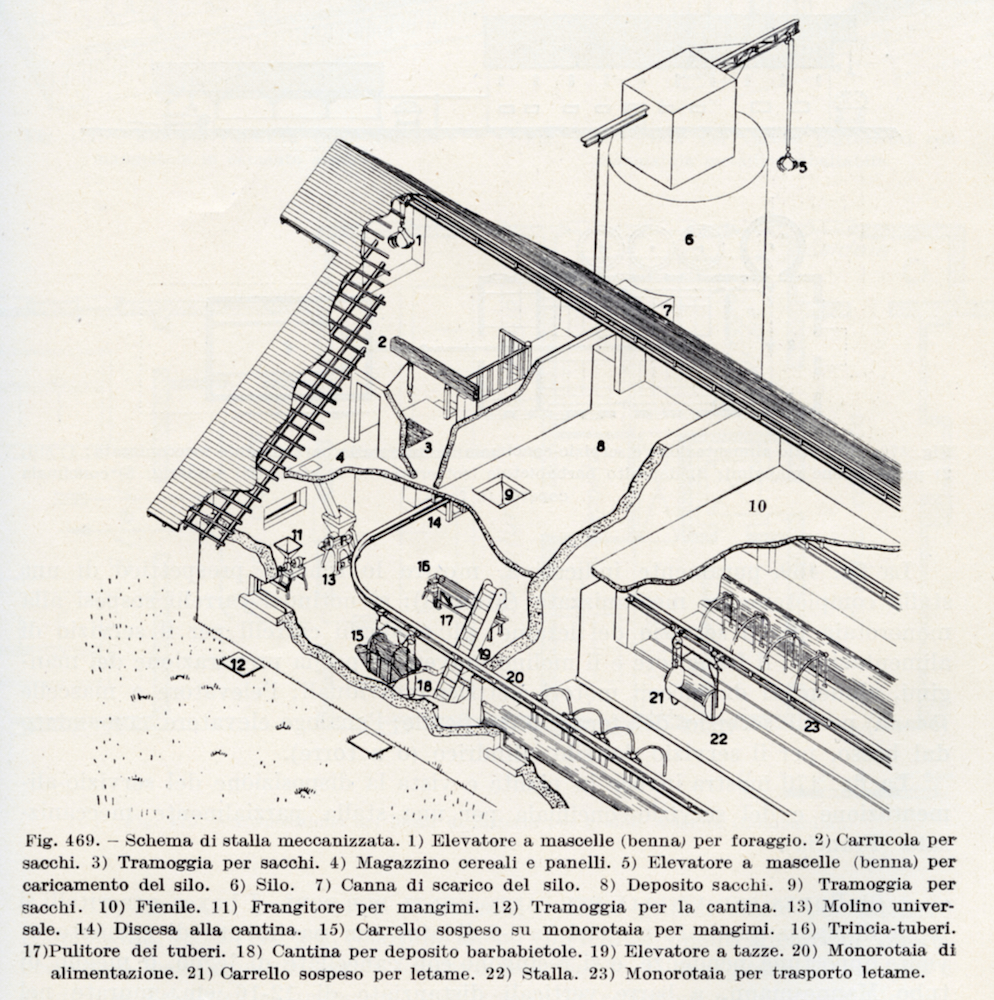
From sixteenth-century Palladian villas to today’s concentrated feeding operations, Western architecture has evolved along the entanglements between humans and domesticated animals – mostly cattle, pigs, poultry, and horses. Over the centuries, the practice of animal farming has been a pivotal field for spatial, material, and technological experimentations.
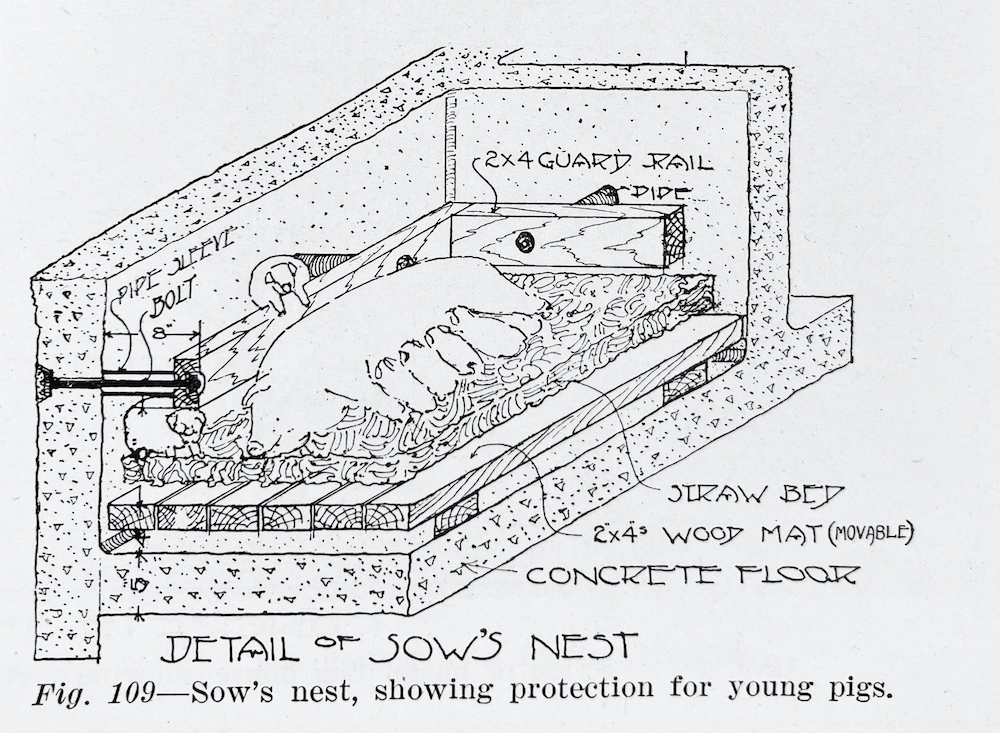
AnimalFarm explores how the animal industry has been spatialized since the early modern era, how technologies and biosecurity practices have transformed farming traditions, and how this architecture reveals ethical tensions between humans and animals, between industrial production and the environment. Not only does the project analyze the architectural typologies that have shaped our global landscape, but it also offers new tools for critically analyzing their environmental, ethical, and social impacts.
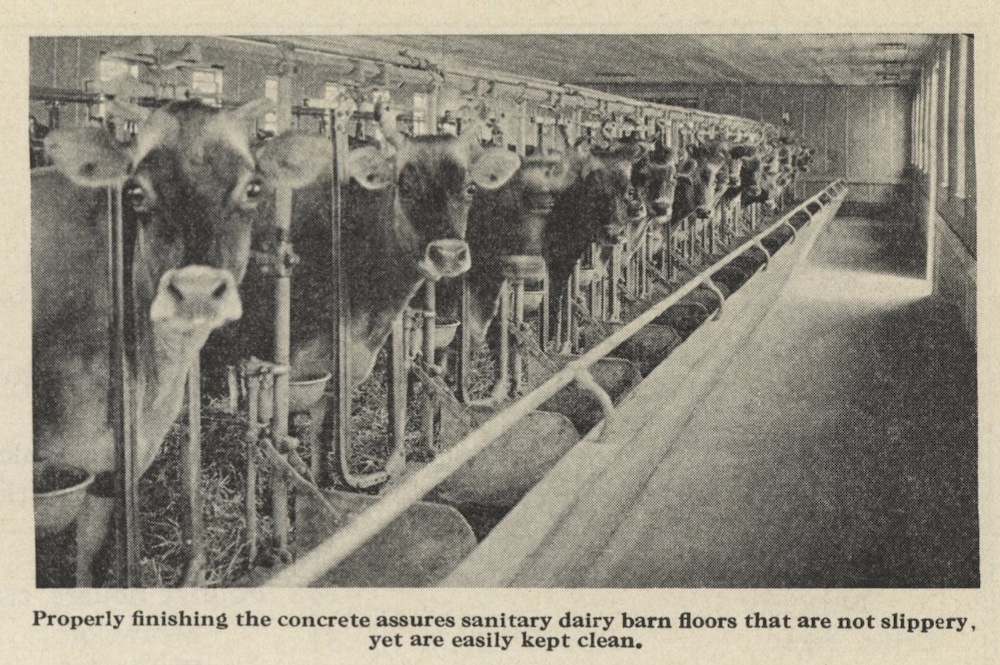
AnimalFarm will produce key insights on the pandemic age which the human species is currently facing, and shed light on the political and technological responsibilities behind the most pervasive system of exploitation and violence occurring on the planet. AnimalFarm is a call to look beyond an anonymous surface and reflect on how the design of spaces for animals affects our understanding of the world and our relationship to it. At a time when environmental and social crises are at the forefront, AnimalFarm represents an opportunity to recognize the importance of these spaces within Western architectural history and to open new paths for interdisciplinary research. It is a challenge for all of us to confront the history and present of the animal production system and to imagine alternative and more ethical futures.
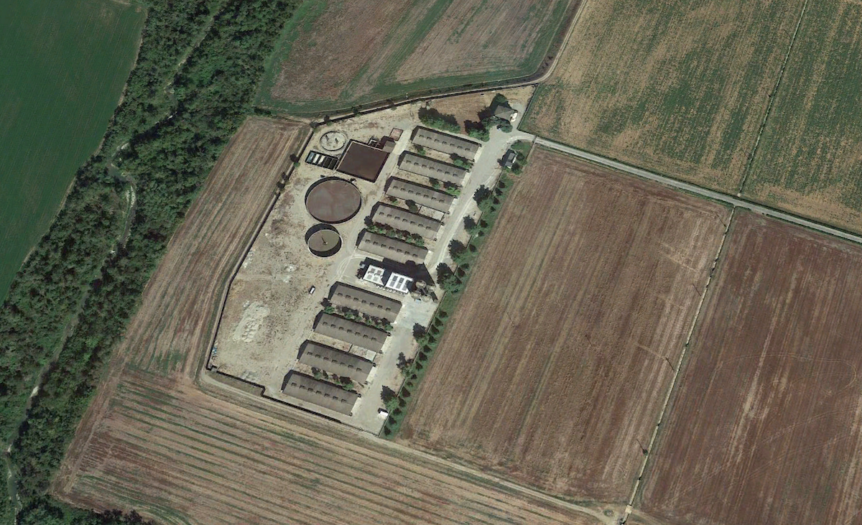
Cover image: Pig farming facility, Piacenza, Po Valley, 2023, from Google Maps
- Article in Italian: Intrecci di uomini e animali, di vita e morte. E di architetture ignote
- Read full “Animal Farm” Repository
Autore

About Author